


Quick answer: Body wash is a liquid cleanser made for washing the skin. Common types include gel, cream, oil-based, foaming, exfoliating, fragrance-free and medicated body wash. The best choice depends on the cleansing system, fragrance, texture and your skin's response.
A product's label matters more than its name. Two body washes with the same texture can use very different cleansing ingredients.
What Is Body Wash?
Body wash is a liquid cleanser designed for use on the body. It removes sweat, surface oil, dirt and product residue when rinsed with water.
A body wash may use true soap made from saponified oils or synthetic surfactants. It may also contain water, glycerin, oils, fragrance, thickeners and preservatives.
Body wash serves a similar purpose to bar soap and liquid soap. The formula, texture and packaging differ.
Types of Body Wash
Gel Body Wash
Gel body washes have a light texture and usually rinse away quickly. Many create more foam than cream or oil-based formulas.
A gel can work well for people who prefer a clean-rinsing feel. Check the full formula because a high-lather gel can still be mild or drying.
Cream or Lotion Body Wash
Cream body washes have a thicker texture. They often contain glycerin, shea butter or plant oils that affect the after-wash feel.
This type may suit dry skin when the formula is gentle and fragrance-free. A rinse-off cleanser does not replace a leave-on moisturizer.
Oil-Based Body Wash
Oil-based body washes combine oils with ingredients that let the product mix with water and rinse away. The oils may include coconut, argan or avocado oil.
These formulas often produce less foam. Some people with dry skin prefer their softer after-wash feel.
Foaming Body Wash
Foaming body wash is packaged in a pump that turns the liquid into foam. The pump changes the texture before use.
Foam volume does not show cleansing strength or quality. Review the surfactants and fragrance instead.
Exfoliating Body Wash or Scrub
Exfoliating body washes contain particles or acids that help remove loose surface buildup. Common physical exfoliants include sugar, salt and ground oats.
Use the product as directed and reduce use if the skin becomes sore, tight or irritated. Plastic microbeads are prohibited in rinse-off cosmetics sold in the United States.
Fragrance-Free Body Wash for Sensitive Skin
Sensitive skin formulas usually use a shorter ingredient list and avoid added fragrance. Fragrance-free is more useful than unscented because unscented products may contain masking fragrance.
Terms such as hypoallergenic do not guarantee that a product will not cause a reaction. Patch testing can help when trying a new cleanser.
Natural and Organic Body Wash
Natural body wash may use plant oils, botanical extracts, essential oils or plant-derived cleansing ingredients. The term natural does not have one federal definition for cosmetics.
Organic claims depend on the ingredients and certification standard used. Ingredient source alone does not determine safety or skin compatibility.
Medicated Body Wash
Medicated body wash contains an active ingredient and makes a treatment or prevention claim. Acne body washes may use salicylic acid or benzoyl peroxide.
These products carry a Drug Facts panel with directions and warnings. Follow the label and stop use if a serious reaction occurs.
Antibacterial Body Wash
Antibacterial body wash is a type of medicated cleanser marketed to reduce bacteria. FDA rules removed triclosan and 18 other active ingredients from over-the-counter consumer antiseptic washes.
The rule did not remove every antibacterial wash. Check the active ingredient, Drug Facts panel and intended use.
Which Type of Body Wash Is Best for Your Skin Type?
Choose by how your skin feels before and after washing. Marketing labels such as men's, women's or spa do not describe cleansing strength.
- Dry skin: Try a cream or oil-based wash with glycerin, shea butter or plant oils. Fragrance-free formulas may reduce one common source of irritation.
- Dry and sensitive skin: Look for a gentle, fragrance-free cleanser with little physical scrub. Stop using products that cause burning or lasting tightness.
- Oily or sweaty skin: A gel body wash may provide the lighter rinse feel you prefer. Stronger lather is not always needed.
- Acne-prone skin: Use a body wash labeled for acne and follow its Drug Facts directions. Botanical extracts are not substitutes for labeled acne actives.
- Normal skin: Choose by scent, texture and after-wash feel. Switch formulas if seasonal dryness develops.
- Men's skin: Skin condition and fragrance preference matter more than gendered packaging. The same selection rules apply.
What Ingredients Are in Body Wash?
Most body washes contain a cleansing system, water and ingredients that control texture and stability. The exact list depends on the formula.
- Cleansing ingredients: True soap or synthetic surfactants lift oil and soil so water can rinse them away.
- Humectants: Glycerin and similar ingredients help attract water and affect skin feel.
- Emollients: Shea butter and plant oils can change slip and after-wash softness.
- Thickeners: These ingredients give a gel or cream its texture.
- Preservatives: Water-based formulas need protection against harmful microbial growth.
- Fragrance and color: These affect the product experience and may bother some users.
Body Wash Ingredients to Review Carefully
A useful label review looks at the complete formula rather than dividing ingredients into safe and toxic groups.
Sodium Lauryl Sulfate, Sodium Laureth Sulfate and Cocamidopropyl Betaine are common cleansing ingredients. Their effect depends on concentration, the rest of the formula and the user's skin.
People who react to scented products may prefer to avoid artificial fragrances and essential oils. Plant-derived fragrance can also irritate sensitive skin.
Preservative-free does not automatically mean safer. An ineffective preservation system can allow bacteria or fungi to grow in a water-based product.
Useful formula ingredients may include shea butter, glycerin and coconut oil. Their presence does not determine the quality of the whole product.
How to Use Body Wash
- Wet the skin with warm water.
- Apply a small amount of body wash to your hands or a soft washcloth.
- Spread it gently over the areas that need washing.
- Rinse until no cleanser remains.
- Pat the skin dry instead of rubbing.
- Apply a fragrance-free moisturizer while the skin is still slightly damp if dryness is a concern.
More product and more foam do not always improve cleansing. Long, hot showers and aggressive scrubbing can leave dry skin feeling worse.
Body Wash Options for Wholesale Brands
Botanie Soap offers shea butter body wash in scented and unscented options. Brands can compare scent, lather, viscosity and packaging fit before ordering larger quantities.
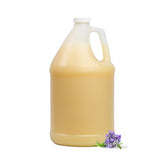
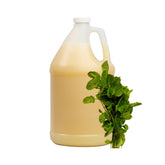
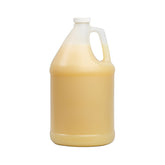
Brands that also sell all-natural soaps can compare bar, liquid and body wash formats for different customer needs.
Frequently Asked Questions About Body Wash Types
What is the difference between body wash and shower gel?
Body wash is a broad product category. Shower gel usually refers to a lighter gel formula that often creates more foam. Product names are not standardized, so compare the ingredient list and directions.
What type of body wash is best for dry skin?
A cream, oil-based or gentle fragrance-free wash may suit dry skin. Look for glycerin, shea butter or plant oils and avoid aggressive scrubbing.
What is the best body wash for dry and sensitive skin?
Start with a gentle fragrance-free cleanser with little physical exfoliation. A product labeled unscented may still contain masking fragrance.
Is natural body wash better for your skin?
Natural ingredients can work well in body wash. Their source does not prove that a formula is safer or less irritating. Review the complete ingredient list.
Can you use body wash every day?
Many body washes are made for daily use. Washing frequency, water temperature and formula strength affect how the skin feels.
What is medicated body wash?
Medicated body wash contains a labeled active ingredient and makes a treatment claim. It should include a Drug Facts panel with directions and warnings.
Do men need a different type of body wash?
No separate cleansing system is required for men. Choose by skin condition, fragrance preference and the product's after-wash feel.
Choose Body Wash by Formula and Intended Use
Texture provides a useful starting point. The cleansing system, fragrance, active ingredients and full formula provide better buying information.
For a private-label line, compare the finished product's scent, lather, viscosity and label claims. Keep cosmetic claims focused on cleansing and skin feel unless the product meets drug requirements.