


Tea tree essential oil comes from the leaves of the Australian tea tree and is widely used in skin-care products. We use it in cold-process soap made with plant oils and retained glycerin. This article looks at tea tree bar soap and Castile soap for everyday cleansing, including how the two formats differ.
People often choose tea tree soap for its clean scent and fresh feel. Some also look for it when choosing soap for oily or acne-prone skin. The finished soap matters as much as the essential oil, so it's worth looking at the full formula.
Tea Tree Bar Soap Benefits
Cold-process tea tree bar soap combines tea tree essential oil with saponified plant oils. The result is a cleansing bar with a rich lather and the distinct scent of tea tree. The naturally produced glycerin left in cold-process soap also affects how the bar feels during washing.
Our black tea tree bar soap is free of sulfates, parabens and phthalates. It contains 85% organic ingredients and is made with certified organic ingredients. We produce all-natural soaps for skin-care brands that sell them under their own labels.
We make our black tea tree bar soap using the traditional cold-process method. The finished bars retain the glycerin created during soapmaking.

Tea Tree Soap Benefits for the Face
Tea tree soap is often chosen for facial cleansing because of its fresh scent and clean feel. People with oily or acne-prone skin may also be drawn to tea tree products. A cold-process bar combines the essential oil with plant oils and retained glycerin, so the full formula affects how the soap feels on your face.
If you're choosing a tea tree soap for your face, look at more than the essential oil. Ingredients, scent strength and the soapmaking method all affect the finished bar.
Tea Tree Castile Soap Benefits
Tea tree essential oil is also used in castile soaps. Castile soap gives you a liquid format instead of a bar, which makes it useful for hand washing, body washing and other everyday cleaning.
Tea tree Castile soap has the same recognizable scent as a tea tree bar, but the two products feel different in use. If you're comparing them for personal use or a product line, the format is one of the first differences to consider.
Choosing Tea Tree Soap for Your Skin or Brand
Taking care of your skin with soap that contains tea tree essential oil starts with the full ingredient list. The base oils, glycerin and other ingredients affect how the finished product cleans and feels.
If you're sourcing products for a soap business, we offer tea tree bar soap along with other bar soaps and liquid soaps for private label use. Ordering samples lets you compare scent, lather and feel before choosing products for your line.

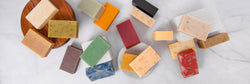
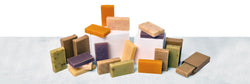

Tea tree remains a common choice in skin care because of its sharp, clean scent and familiar place in facial and body products. In soap, the essential oil is only part of the formula. The soap base and production method also shape the experience of using it.
If you want to try tea tree in soap, start by comparing the scent and feel with other soaps made with essential oil.