


Do you need a license to sell soap? In the United States, the FDA doesn’t issue a cosmetics business license, but state or local authorities may require licenses or permits. Your product’s formula, intended use and claims also determine which product rules apply. Check those requirements before you approve labels or offer the product for sale.
If you’re planning a soap line for your brand, compare our manufacturing options while you check the requirements for your business.
Soap-selling checklist: You usually don't need a special soap-specific license, but you may need to: 1) register your business, 2) check state and local permit rules, 3) label products correctly, 4) avoid cosmetic or drug claims unless you follow the right rules, and 5) follow organic labeling rules if you mention organic ingredients.
Many of us dream of starting our own business. The vision of seeing our brand on shelves and in checkout carts across the country is enticing to say the least. Unfortunately, as you might have already guessed, there are occasionally some logistics to tackle first. While you don’t need a special license to sell soap the same way a financial advisor needs a license to sell securities, there are some steps and research you should consider taking when forming a business.
Check the requirements where your business operates and where you plan to sell. Ask the relevant state and local offices about business licenses, seller permits and rules for operating from home. Online sales and farmers markets don’t remove those checks. Record which office you contacted and what it told you. If you’re still planning your launch, use our soap business planning guide to work through production, inventory and sales channels.
Once you’ve done some research, etched out some business goals and have a silky smooth name for your soap business, now would be a good time to check in with your state and local government about paperwork! This step may feel tedious, but it helps protect your business before you invest in packaging, inventory, and sales channels. Do you need to form an LLC? We are in the business of soap, not in the business of offering legal advice, so you might want to get a second opinion. There are certainly benefits to forming an LLC.
Forming a Limited Liability Company

A limited liability company, or an LLC, is one of the most efficient and easiest ways to start a business. This is especially true if you’re the sole owner and operator of your soap shop. You’ll need to select a name for your business, which will be the title of your new LLC. Each state holds its own rules and regulations regarding the name choice for an LLC. For example, some states prohibit the use of the words “corporation” or “incorporated.” You will want to brush up on your state’s LLC rules and regulations so that your name choice remains compliant with the law.
Generally speaking, you do not need an attorney to form an LLC for your soap business. The most important part of the LLC formation process is abiding by your state’s laws and ensuring your business is operating legally.
(Please note that if you're selling products to Canada, you're responsible for following the Canadian rules and regulations.)
Decide Whether You Are Selling True Soap, a Cosmetic, or a Drug
Before you sell soap, decide what kind of product you are selling. If it is marketed only as soap and gets its cleaning power from alkali salts of fatty acids, it may be treated as true soap. If you make claims like moisturizing, exfoliating, deodorizing, acne relief, eczema relief, or germ killing, your product may fall under cosmetic or drug rules. When in doubt, check current FDA guidance or speak with a qualified compliance professional.
Follow FDA Soap and Cosmetic Label Guidelines
Start with the product’s classification before you choose a label checklist. The FDA guidelines on Soap explain the federal distinction. A true-soap label and a cosmetic label don’t have the same requirements. FDA doesn’t require an expiration date on ordinary cosmetics, although manufacturers remain responsible for product safety. Use our labeling checklist for soap brands to check the details that apply to your product.
Ready to launch? Your product manufacturer is the next step.
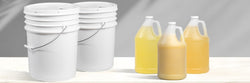
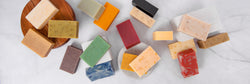
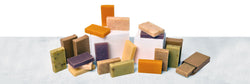
We supply soap for your brand. Your final label, organic wording and product claims still need to meet the requirements for the finished product. If an existing formula fits your product line, compare our private label soap options. To start selling sooner, pick from our ready-to-label wholesale soap and add your own label.
Use the Right Verbiage
USDA organic claims depend on certification and the approved labeling category. They don’t come from USDA testing and approving each individual soap. Before you print an organic claim or use a seal, confirm the wording allowed for your product with the certifier. A “made with organic” claim follows different rules from the “organic” category.
Our organic certification information lists the organic content of our products. Our bar soaps contain 84–85% organic ingredients, depending on the blend. Our liquid soaps contain 80–82%. Our foaming soap and Castile soap are liquid soap formats. Confirm the percentage and permitted claim for the blend you order before approving your label.

When You’re Ready to Sell
Once your permissions and labels are checked, build a marketing plan for your soap line.
Congratulations! You have your soap, you have your business name and you’ve taken the steps to register your business with the state and any local business licenses you might need. For more tips and tricks about marketing your soap business, check out the Botanie Soap YouTube channel to view our full marketing series.