


Quick answer: Body wash and shower gel are both liquid cleansers, and many brands use the terms interchangeably. The better choice depends on the formula (surfactants + fragrance) and how your skin feels after rinsing.
Jump to: Quick comparison · Key differences · How to choose · FAQs
When it comes to skin-care products like shower gel and body wash, it can be hard to tell the difference between the two, and many people use these terms interchangeably. But are these products the same or different, and which cleanser is right for you?
In this article, we'll compare body wash vs. shower gel to help you understand which of them is better for your skin on a daily basis.
Body Wash vs. Shower Gel: Quick Comparison
Body wash and shower gel are often used interchangeably. Most are surfactant-based cleansers, but some products labeled “body wash” may be closer to true soap (for example, liquid castile soap). The practical differences usually come down to the formula, fragrance level, and texture.
| Factor | Body wash | Shower gel |
|---|---|---|
| Typical texture | Creamy or lotion-like (often) | Clear and gel-like (often) |
| Typical positioning | “Gentle,” “hydrating,” “daily” | “Fresh,” “fragrance-forward,” “lather” |
| What actually matters | The surfactants used, fragrance/dyes, and whether your skin feels comfortable after rinsing. | |
| Best for | Dry/sensitive skin, frequent showering (often) | People who prefer gel feel + stronger scent (often) |
Definitions: what they usually mean
What is body wash?
Body wash is a liquid cleanser made for the body. Many body washes are formulated to feel gentler or more moisturizing, but the real driver is the cleanser system (surfactants vs. true soap) and the fragrance level.
What is shower gel?
Shower gel is also a liquid body cleanser. The term “gel” often signals a thicker, clearer texture and can be paired with stronger fragrance—though many brands use “shower gel” and “body wash” interchangeably.
Key differences that affect your skin
1) The cleanser system matters more than the label
Many liquid cleansers are surfactant-based; some “body wash” formulas can be closer to true soap. Two products with different names can still have very similar cleansing agents—so if you’re sensitive, compare ingredient lists.
2) Fragrance and dyes are common irritants
If you react easily, fragrance level can matter more than whether the bottle says “body wash” or “shower gel.” If you want to avoid synthetic fragrance, read: synthetic fragrances.
3) Post-rinse feel is your best test
If your skin feels tight, squeaky, or dry after rinsing, that cleanser may be too stripping for you—even if it smells great or lathers a lot.
Speaking about ingredients, it's best to avoid commercially manufactured personal care products that contain harsh chemicals, such as sulfates, phthalates, parabens, synthetic fragrances, and dyes. These ingredients may irritate skin and have other adverse effects.
It's best to choose all-natural products like those we make at Botanie Soap, using traditional, time-tested methods and unique formulations. If you are looking for a body wash perfect for all skin types, you can buy it in bulk here. Check out our collection. It's even likely that you've already bought some of our products because we partner with different skin-care brands that outsource their soap manufacturing to us.
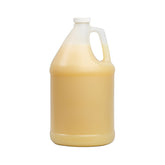
One of the differences between body washes and shower gels is their consistency. Shower gels tend to be thicker and have a gel-like character. Depending on the formula, shower gels can sometimes be used to wash the body and hair. Body washes can have varying consistencies, from being similar to thinner liquid soap to products that are more creamy and dense.
Body washes are often enriched with soothing, hydrating ingredients like aloe, honey, oatmeal, or shea butter, which is highly prized for its moisturizing properties. For example, our shea butter body wash has an emollient, rich texture, and creamy appearance, leaving skin feeling soft, supple, and rejuvenated.
A body wash and a shower gel will certainly clean your skin regardless of their texture or foaming potential. It's what's in the product that matters. So it's always better to look for all-natural skin-care products that work best for your skin type and concerns.
As you see, some body washes and shower gel are essentially the same thing, surfactant cleaners, while its also possible for some body washes to be actual soaps. No matter which product you prefer, it will still clean your skin. But you should always pay attention to the ingredients, seeking those that will help your skin improve over time, and look for a product you'll love.
Body Wash vs Shower Gel FAQs
Is shower gel the same as body wash?
Often, yes. Many brands use the terms interchangeably. The label matters less than the formula, fragrance level, and how your skin feels after use.
Which is better for dry skin?
Choose the formula that leaves your skin comfortable after rinsing. Products with more soothing, hydrating ingredients often feel better for dry skin, but the post-rinse feel is the best test.
Which is better for sensitive skin?
Many people with sensitive skin do better with lighter fragrance and fewer dyes. If you react easily, avoid heavy fragrance and choose a cleanser that doesn’t leave tightness after rinsing.
Does more lather mean it cleans better?
No. Lather is a sensory cue, not a direct measure of cleaning performance. A gentler formula can still cleanse effectively.
Can you use shower gel as body wash?
Yes—both are designed for body cleansing. If your skin feels dry or irritated after use, switch formulas.